Top Non-ferrous Scrap Metal Recycling Services In Asia 2026 | Metals & Mining Review APAC

Top Non-Ferrous Scrap Metal Recycling Services in Asia 2026

Non-ferrous scrap metal recycling services help industries recover and process metals such as aluminum and copper for reuse. With a focus on material sorting, recovery efficiency, quality control and environmental compliance, they support resource conservation and more sustainable metal supply chains.

Ito Shoten: Building a Reliable Route for Non-Ferrous Scrap
Ito Shoten
Building a Reliable Route for Non-Ferrous Scrap
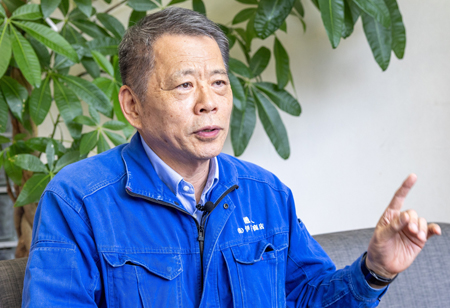
Hironaga Ito, President
Scrap recycling can look straightforward from the outside: material comes in, it is sorted and processed, and it leaves for another buyer. At Ito Shoten, the work is tied to knowing the material, reading the market and keeping a dependable customer relationship.

Non-Ferrous Scrap Metal Recycling Services: APAC Market Advances Through Innovation

The non-ferrous scrap metal recycling sector is gaining greater attention as metal processors and manufacturers in the Asia-Pacific (APAC) region seek more efficient ways to manage valuable secondary materials. Rising use of aluminum, copper, brass and other non-ferrous metals in construction, automotive, electrical and industrial applications is creating steady demand for reliable recovery services. Non-ferrous scrap metal recycling services help businesses sort, process and prepare recovered metals for reuse, supporting more consistent material availability while reducing dependence on newly extracted metal inputs. Improved sorting practices and better material handling are also helping recyclers deliver cleaner scrap grades that meet the quality requirements of downstream metal producers.

Where Scrap Value Is Won Before the Sale

Non-ferrous scrap rarely reaches a recycler in a condition that maps neatly to the next buyer’s specification. Mixed grades and inconsistent preparation can narrow the available outlets or reduce what a downstream processor is willing to pay. The recycler’s job is therefore more than moving scrap from a collection point to a melter. Buyers should examine how a provider identifies and separates material, then prepares each load for the market where it can be used most effectively.

Non-Ferrous Scrap Metal Recycling Services in Asia Info

Q1
What Do Top Non-Ferrous Scrap Metal Recycling Services Include?
Top Non-Ferrous Scrap Metal Recycling Services cover the collection, sorting, grading, processing and recovery of metals such as copper, aluminium, brass, nickel and zinc. These activities prepare discarded materials, manufacturing offcuts and industrial scrap for reuse in production. Depending on the material, processing may involve separation, shredding, baling or other preparation methods. The aim is to recover usable metal, reduce waste and return valuable resources to manufacturing and metal-processing supply chains.
Q2
Which Provider Received Recognition for Non-Ferrous Scrap Metal Recycling Services in Asia in 2026?
Metals & Mining Review APAC recognized Ito Shoten as a leading provider in the category through its Top Non Ferrous Scrap Metal Recycling Services in Asia 2026 award. The recognition places the Japanese recycler within a category serving industrial material recovery and secondary metal supply. Its relevance to the sector reflects the role that established recycling operations and dependable scrap handling play in connecting recovered materials with domestic processors and overseas markets.
Q3
Why Is Demand for Non-Ferrous Metal Recycling Growing Across Asia?
Demand for Top Non-Ferrous Scrap Metal Recycling Services is shaped by manufacturers’ need for reliable raw materials, pressure to use resources efficiently and growing interest in circular production. Recovered metals can supplement newly mined supplies and support industries such as construction, electronics, automotive manufacturing and electrical infrastructure. Market demand also responds to metal prices, export conditions and the availability of suitable scrap. These factors make dependable collection networks and access to processing markets increasingly important.
Q4
What Should Industrial Buyers Evaluate When Choosing Scrap Metal Recycling Services?
When assessing Top Non-Ferrous Scrap Metal Recycling Services, industrial buyers should consider material acceptance criteria, sorting accuracy, contamination controls, processing capacity and the consistency of recovered metal grades. Transparent pricing and clear records can help establish confidence in transactions. Buyers involved in international trade should also examine export documentation, shipment arrangements and applicable environmental regulations. The right service depends on the type and volume of scrap, the intended downstream application and the reliability required from the recycling partner.
Q5
Why Was Ito Shoten Recognized by Metals & Mining Review APAC in 2026?
Ito Shoten received the 2026 recognition for Top Non Ferrous Scrap Metal Recycling Services in Asia. Its documented operations include sorting and processing scrap across four yards, checking material at intake and before shipment, and maintaining a dedicated trading division for international documentation. Radiation screening at its yards and attention to requirements governing cross-border shipments, including the Basel Convention, further demonstrate its approach to material control and international scrap handling.
Q6
How Do Technology and Quality Controls Improve Non-Ferrous Scrap Recovery?
Technology and disciplined processing help Top Non-Ferrous Scrap Metal Recycling Services recover usable material while limiting contamination and improving consistency. Sorting equipment, material identification methods and appropriate separation processes can help distinguish metal grades and prepare them for downstream use. Quality checks at receiving and dispatch stages also reduce the risk of unsuitable material reaching processors. Effective operations combine appropriate equipment with trained personnel, safe handling practices and procedures suited to different scrap types.